




Longway OEM Sunscreen OEM & ODM Process
A walkthrough of the OEM and ODM route for sunscreen: brief, formulation, filling and documentation.
Read More →longwayoem.com

Insights, Trends & OEM/ODM Knowledge
Browse by category, or read everything in the ALL view. Each article is written for brands building beauty and personal care products with an OEM/ODM partner.
A walkthrough of the OEM and ODM route for sunscreen: brief, formulation, filling and documentation.
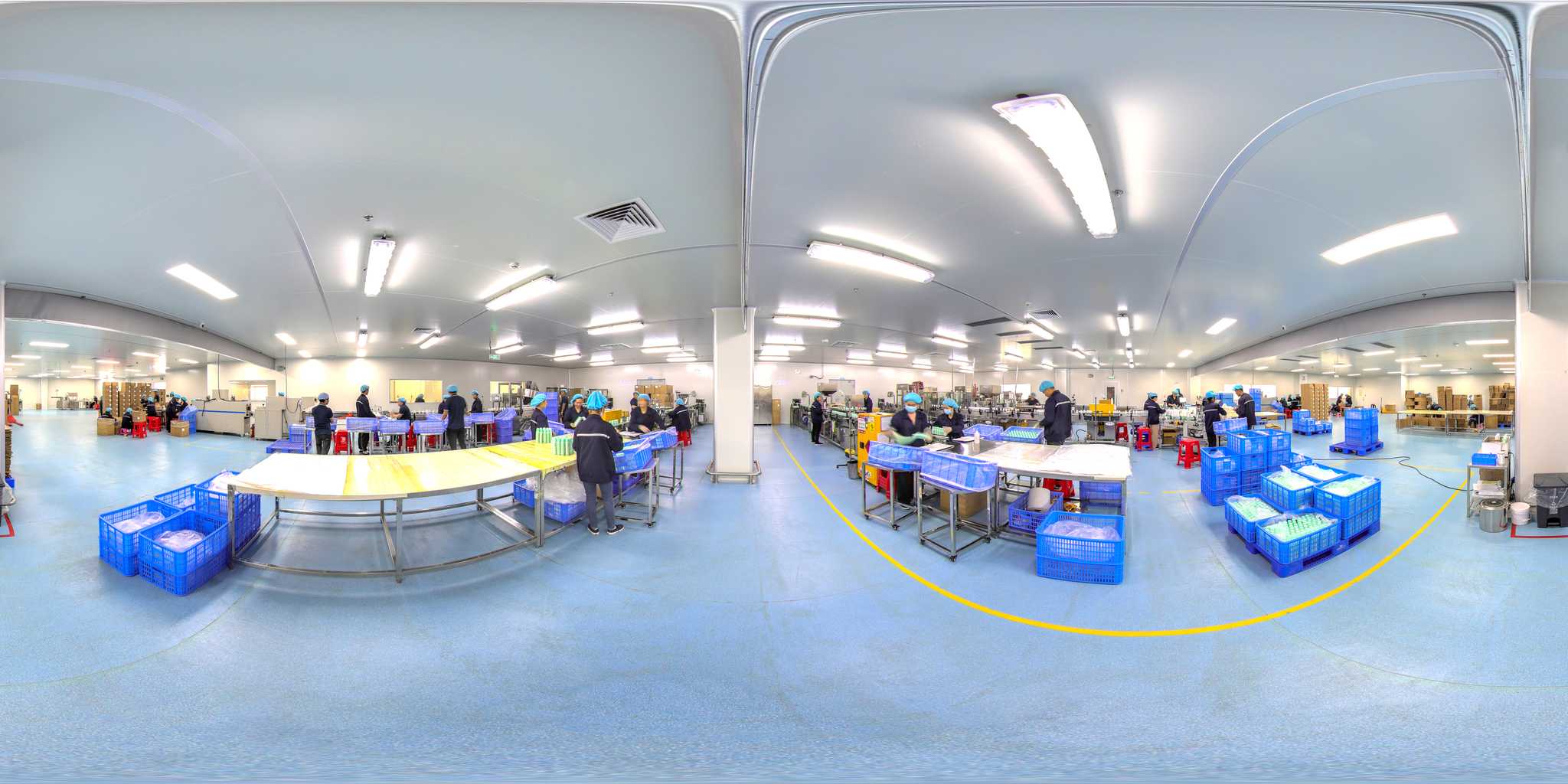
The practical differences between buying wholesale and building a product through OEM or ODM.

Why Guangzhou is a cosmetics manufacturing hub, and how private label and OEM/ODM services differ.
A low minimum order is not simply a smaller version of a big one. Here is where the cost sits, and how to decide whether to start small.

Most launch delays are not production delays — they are packaging delays discovered too late. A week-by-week view of how a container actually arrives.

How to evaluate a body wash manufacturer: base formulation, fragrance, packaging and MOQ.

What a lace tint spray is, where it is used, and what private label development involves.

Explore product formats, consumer needs and development considerations for the U.S. sunscreen market.
What to look for in a facial sunscreen: texture, finish, daily wear and protection level.

Development considerations behind a high SPF sunscreen, including filters, testing and claim support.
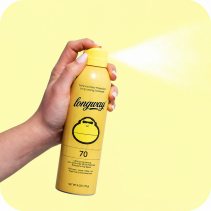
An overview of private label SPF product formats, from lotion and cream to spray, stick and mousse.

How white label sunscreen shortens time to market and where customisation still fits.
How reef friendly sunscreen claims have moved from marketing language toward performance expectations.

A comparison of reef friendly sunscreen formats and the formulation questions behind each.
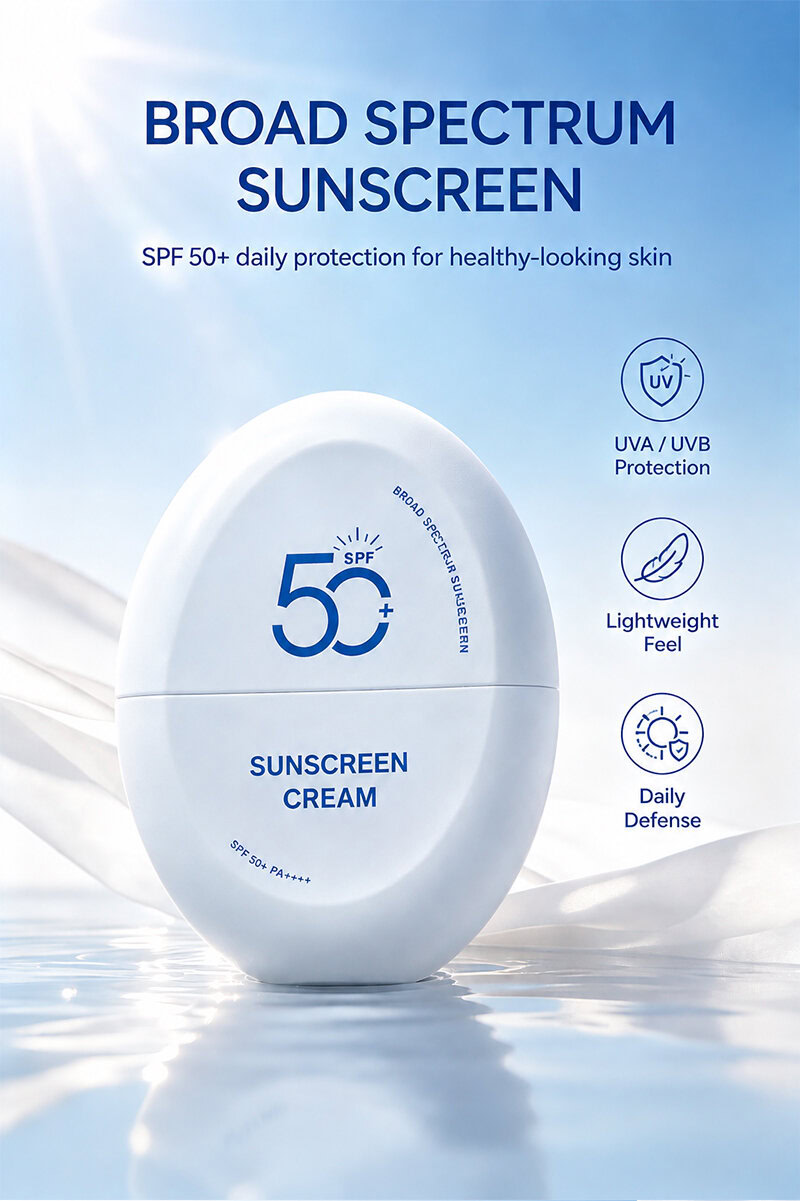
A market overview of sunscreen manufacturing capability in China for brand owners sourcing OEM or private label.
The steps behind launching a sunscreen brand, from concept and formulation to packaging and compliance.
Lightweight textures, visible whitening, and repurchase-sized mists. Notes from the enquiries reaching our export desk from Southeast Asia.
Labeling, claims and supporting documentation for sunscreen products in the U.S. market.
SPF, PA, broad spectrum, water resistance: the words on a sunscreen pack are increasingly regulated. Here is what changes, and when to raise it with your manufacturer.

Aerosol and spray formats continue to expand across sun care, hair care and body care.
Aerosol gives you a finer mist and a premium feel. A pump avoids propellant regulations entirely. Here is how the trade-off actually plays out.

How aerosol products work and what brands should confirm before starting a private label aerosol project.
How nozzle and pump selection shapes spray pattern, dosage and the feel of a private label pack.

How actives, textures and targeted care are shaping the next generation of skincare products.

Product safety, facility and product information, labeling and documentation considerations for cosmetic products.

Understanding when beauty and personal care products fall under the U.S. OTC drug framework.

An explainer on anti-dandruff actives, scalp care claims and formulation considerations.

A look at the actives commonly used in anti-dandruff shampoo and how they are positioned.

What OTC and NSF certification means for anti-dandruff shampoo development for the U.S. market.
A container held at port costs more than a reprint. These are the five wording problems we see most often across the markets we ship to.

Gentle skincare directions for sensitive skin, including botanical extracts and simplified routines.

Selection criteria for a hair removal manufacturing partner, from formulation to regulatory paperwork.
A walkthrough of the OEM and ODM route for sunscreen: brief, formulation, filling and documentation.
The practical differences between buying wholesale and building a product through OEM or ODM.
Why Guangzhou is a cosmetics manufacturing hub, and how private label and OEM/ODM services differ.
A low minimum order is not simply a smaller version of a big one. Here is where the cost sits, and how to decide whether to start small.
Most launch delays are not production delays — they are packaging delays discovered too late. A week-by-week view of how a container actually arrives.
How to evaluate a body wash manufacturer: base formulation, fragrance, packaging and MOQ.
What a lace tint spray is, where it is used, and what private label development involves.
Explore product formats, consumer needs and development considerations for the U.S. sunscreen market.
What to look for in a facial sunscreen: texture, finish, daily wear and protection level.
Development considerations behind a high SPF sunscreen, including filters, testing and claim support.
An overview of private label SPF product formats, from lotion and cream to spray, stick and mousse.
How white label sunscreen shortens time to market and where customisation still fits.
How reef friendly sunscreen claims have moved from marketing language toward performance expectations.
A comparison of reef friendly sunscreen formats and the formulation questions behind each.
A market overview of sunscreen manufacturing capability in China for brand owners sourcing OEM or private label.
The steps behind launching a sunscreen brand, from concept and formulation to packaging and compliance.
Lightweight textures, visible whitening, and repurchase-sized mists. Notes from the enquiries reaching our export desk from Southeast Asia.
Labeling, claims and supporting documentation for sunscreen products in the U.S. market.
SPF, PA, broad spectrum, water resistance: the words on a sunscreen pack are increasingly regulated. Here is what changes, and when to raise it with your manufacturer.
Aerosol and spray formats continue to expand across sun care, hair care and body care.
Aerosol gives you a finer mist and a premium feel. A pump avoids propellant regulations entirely. Here is how the trade-off actually plays out.
How aerosol products work and what brands should confirm before starting a private label aerosol project.
How nozzle and pump selection shapes spray pattern, dosage and the feel of a private label pack.
How actives, textures and targeted care are shaping the next generation of skincare products.
Product safety, facility and product information, labeling and documentation considerations for cosmetic products.
Understanding when beauty and personal care products fall under the U.S. OTC drug framework.
An explainer on anti-dandruff actives, scalp care claims and formulation considerations.
A look at the actives commonly used in anti-dandruff shampoo and how they are positioned.
What OTC and NSF certification means for anti-dandruff shampoo development for the U.S. market.
A container held at port costs more than a reprint. These are the five wording problems we see most often across the markets we ship to.
How actives, textures and targeted care are shaping the next generation of skincare products.
Gentle skincare directions for sensitive skin, including botanical extracts and simplified routines.
Selection criteria for a hair removal manufacturing partner, from formulation to regulatory paperwork.
Tell us the category, the format and the market you are targeting. Our team will come back with formulation routes, MOQ and lead time.