



Regulatory Insights
U.S. Cosmetics, OTC & Global Regulatory Considerations for Beauty Brands
Regulatory requirements can vary depending on the market, product category, formulation, intended use and product claims. LONGWAY provides regulatory-focused insights to help beauty brands better understand key considerations before developing and manufacturing cosmetic and selected OTC products.
 Clarify before development.
Understanding Regulatory Requirements Before Product Development
Regulatory considerations should be evaluated early in the product development process. Product classification, intended use, formulation, labeling and marketing claims can all influence the regulatory requirements that may apply to a product.
Market
Regulatory requirements can vary between countries and regions.
Product Category
Cosmetic, OTC and other regulated categories may be subject to different requirements.
Product Claims
Intended use and product claims can influence how a product is regulated.
Documentation
Product development may require appropriate technical, labeling and supporting documentation.
U.S. Cosmetics Regulations
Cosmetic products marketed in the United States are subject to applicable federal requirements relating to product safety, facility and product information, labeling and other regulatory considerations. Brands should evaluate regulatory requirements based on the product category, ingredients, intended use and claims.
Key Regulatory Considerations for Cosmetic Products in the United States
Product Safety
Ingredient safety and product safety should be considered during formulation and development.
Facility & Product Information
Appropriate facility and product information may be required depending on the applicable regulatory framework.
Labeling
Cosmetic labels should be developed with applicable U.S. labeling requirements in mind.
Records & Documentation
Supporting product information and records should be appropriately maintained.

U.S. OTC Requirements
Certain beauty and personal care products may fall under the U.S. OTC drug framework depending on their intended use, active ingredients and product claims. Brands developing OTC products should evaluate applicable requirements early in the development process.
Understanding Selected OTC Product Categories
OTC Product Categories
Sunscreen
OTC sunscreen products
Acne
Acne treatment products
Dandruff
Anti-dandruff products
Antiperspirant
Antiperspirant products
Skin Protectant
Selected skin protectant products
Important Considerations
Sunscreen Regulations
Sunscreen products in the United States may be regulated as OTC drug products depending on their intended use and claims. Product development therefore requires careful consideration of applicable requirements relating to active ingredients, formulation, labeling, claims and supporting documentation.
Key U.S. Regulatory Considerations for Sunscreen Products
Active Ingredients
Selection and use of applicable active ingredients.
Formulation
Product formulation should align with the applicable regulatory framework.
Labeling
Product labels should reflect applicable requirements and product information.
Claims
Marketing claims should be evaluated carefully based on product classification and intended use.
Sun Care Formats

Cosmetic & OTC Labeling Requirements
Product labeling is an important part of regulatory and commercial readiness. Labeling considerations may vary depending on product classification, market, ingredients, intended use and claims.
Label Anatomy
Product labeling is developed from a combination of product identity, quantity, ingredient, direction, warning and responsible-party information. The visual on the left shows how these elements are typically organised on a cosmetic or OTC label.
Labeling considerations may vary depending on product classification, market, ingredients, intended use and claims.
Labeling Elements
Product Identity
Product name and identity.
Net Quantity
Appropriate declaration of product quantity.
Ingredient Information
Applicable ingredient information.
Directions
Directions for use where applicable.
Warnings
Required warnings and cautionary information where applicable.
Responsible Party Information
Applicable company or responsible party information.
Regulatory Documentation
Appropriate documentation helps support product development, regulatory review and market readiness. The documents required may vary depending on the product category, market and regulatory framework.

Documentation Checklist
Formulation Information
Product formula and relevant formulation information.
Ingredient Information
Ingredient specifications and supporting information.
Product Specifications
Product specifications and quality requirements.
Testing & Quality Documentation
Applicable testing and quality records.
Labeling Materials
Product artwork and labeling information.
Regulatory Documentation
Documents relevant to the applicable regulatory framework.
Product Claims & Intended Use
Product claims communicate intended benefits and can influence how a product is classified and regulated. Claims should therefore be considered alongside formulation, intended use and target market during product development.

Claim Types
Cosmetic Claims
Appearance, cleansing, moisturizing and other cosmetic benefits.
Functional Claims
Product benefits related to specific product functions.
OTC Drug Claims
Claims associated with the treatment, prevention or mitigation of certain conditions may fall under applicable OTC requirements.
Marketing Claims
Advertising and promotional language should align with the product's intended use and applicable requirements.
Example
Global Regulatory Insights
Regulatory requirements vary across countries and regions. A product developed for one market may require different formulation, labeling, documentation or compliance considerations when introduced into another market.
Understanding Regulatory Differences Across Major Markets

USUnited States
FDA / Cosmetics / OTC
U.S. cosmetic and selected OTC regulatory considerations.

EUEurope
EU Cosmetics
European cosmetic product and compliance considerations.

CACanada
Cosmetic Requirements
Canadian cosmetic regulatory considerations.

APACAsia-Pacific
Regional Requirements
Regulatory requirements can vary across individual Asia-Pacific markets.
Global Development Principle
One Product Concept Does Not Always Mean One Regulatory Strategy.
Regulatory FAQs
Common questions brands raise when evaluating cosmetic, OTC, labeling and documentation requirements for beauty and personal care products.
FAQ 01Are all beauty products regulated as cosmetics in the United States?
No. Product classification can depend on factors such as intended use, product claims and other applicable criteria. Certain products may fall under the OTC drug framework rather than being regulated solely as cosmetics.
FAQ 02Are sunscreens considered cosmetics in the U.S.?
U.S. sunscreen products may be regulated as OTC drug products when marketed for sun protection. Brands should evaluate the applicable regulatory requirements based on product formulation, intended use and claims.
FAQ 03Can cosmetic products make treatment claims?
Product claims should be evaluated carefully because claims relating to the treatment, prevention or mitigation of certain conditions may affect product classification and applicable regulatory requirements.
FAQ 04What information should be considered when developing a cosmetic label?
Labeling considerations may include product identity, net quantity, ingredient information, directions, warnings and applicable company or responsible-party information.
FAQ 05Do regulatory requirements vary by country?
Yes. Regulatory requirements can differ significantly between markets. Brands should evaluate requirements for each target market before launching a product.
FAQ 06When should regulatory requirements be considered during product development?
Regulatory considerations should ideally be evaluated early, before finalizing formulation, product claims, packaging and labeling.
FAQ 07Does product packaging affect regulatory requirements?
Packaging and labeling can be part of a product's regulatory readiness. Requirements may vary depending on the product category, market and applicable regulations.
FAQ 08Can LONGWAY help with regulatory considerations during product development?
LONGWAY can provide product development and manufacturing support, including formulation, packaging, labeling coordination and quality-related documentation. Specific regulatory requirements should be evaluated according to the product and target market.
Latest Regulatory Insights
Explore the latest regulatory developments, compliance considerations and product development insights.
View All Regulatory Insights →
Sunscreen Labeling & Documentation Considerations
Labeling, claims and supporting documentation for sunscreen products in the U.S. market.
Read Insight →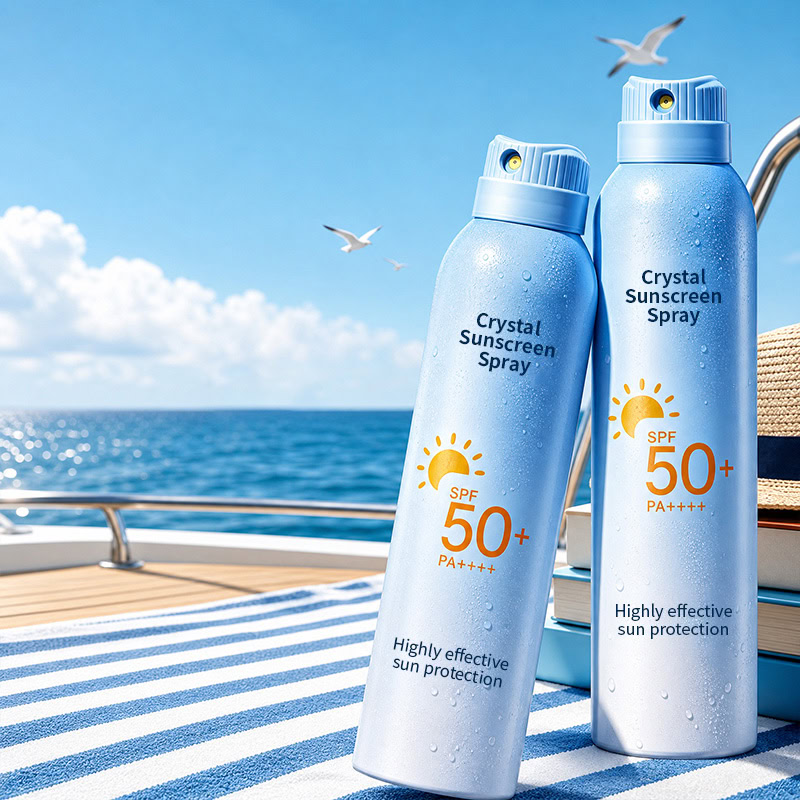
U.S. OTC Requirements: Selected Product Categories
Understanding when beauty and personal care products fall under the U.S. OTC drug framework.
Read Insight →U.S. Cosmetics Regulations: Key Considerations
Product safety, facility and product information, labeling and documentation considerations for cosmetic products.
Read Insight →Market Opportunity Meets Regulatory Requirements
Understanding the market helps brands identify what consumers want. Understanding regulatory requirements helps determine how products can be developed and marketed for the target market.
Understand Consumer Needs
Consumer Trends · Product Trends · Category Opportunities · U.S. Market
Explore Market Insights →Plan With Requirements in Mind
U.S. Cosmetics · U.S. OTC · Sunscreen · Labeling · Documentation
Current Page: Regulatory InsightsFrom Regulatory Insight to Product Development
Explore This Page →From Regulatory Insight to Product Development
Understanding regulatory requirements early can help brands make better decisions when selecting product categories, formulations, claims, packaging and target markets.

Define the Market
Identify the target market and applicable product category.

Develop the Product
Align formulation, product format, packaging and intended use with the project requirements.

Prepare for Market
Coordinate applicable labeling, documentation, quality and manufacturing requirements.
Develop With the Market in Mind
Have a product concept but need help understanding the development and regulatory considerations? Tell us about your target market, product category and project requirements. LONGWAY can help you explore suitable OEM and ODM development solutions.